Ethnobotany
Ethnobotanicals are the range of plant (or plant derived) botanical compounds that have some form of altering effect on the human body. Ethnobotanicals have a deep rooted history across all human cultures and have been played an important role for thousands of years providing nutrition and treating a wide variety of medical aliments.
The quote, “Let food be thy medicine, and let medicine be thy food.” exemplifies an ethnobotanical philosophy of maintaining nutrition and healing through natural plant based based resources and by products.
Apr 2nd, 2026 - Seeds can help keep blood sugar levels steady by slowing digestion and preventing spikes. Chia, flax, and pumpkin are some seeds rich in fiber, protein, and healthy fats that support better sugar (glucose) control. 1. Chia Seeds Chia seeds are tiny, edible seeds rich in fiber and protein. When you eat them, they absorb fluid from the digestive tract, forming a gel in the gut that helps slow digestion and prevent your blood sugar from spiking. Eating them regularly may also slow down sugar ... [Read More]
Source: verywellhealth.com
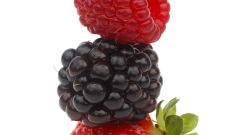
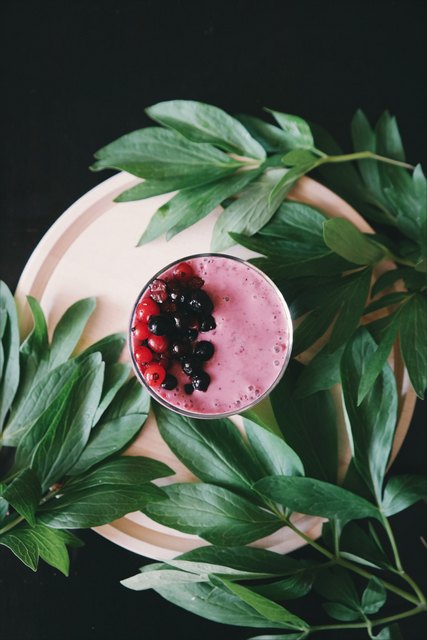
Mar 17th, 2026 - Anti-inflammatory diets are top of mind for everyone, but one cannot create any meal plan that addresses this issue without polyphenol-rich foods. Polyphenols are naturally occurring plant compounds found in foods such as fruits, vegetables, tea, coffee, herbs, spices, nuts, seeds, and cocoa. They are powerful antioxidants that help reduce inflammation and oxidative stress, improving our overall health. Sold? We definitely are. The best strategy to get this essential nutrient is to eat a wide ... [Read More]
Source: vogue.com